
Charles Babbage
26 December 1791 – 18 October 1871
Engineer, inventor, mathematician he is best known for pioneering the mechanical computer. He designed the Difference Engine which was intended to calculate tables using the "Method of Differences". While a section was built and worked as intended, the full machine was never built as the British Government withdrew financial support.
Based on his work on the Difference Engine, Babbage proposed an Analytical Engine, a much more sophisticated machine which was to be programmable using punched cards. While a section was built, the full project was too expensive and constrained by the available manufacturing processes.
These ideas were influential and taken further by others. In 1985-1991 the Science Museum built Babbages improved Difference Engine No. 2, including the printer he designed. It worked as Babbage had intended.
While his body was laid to rest in Kensal Green Cemetery, half his brain is in the Science Museum and half in the Hunterian Museum in the Royal College of Surgeons.
More information:
The Grave of Charles Babbage
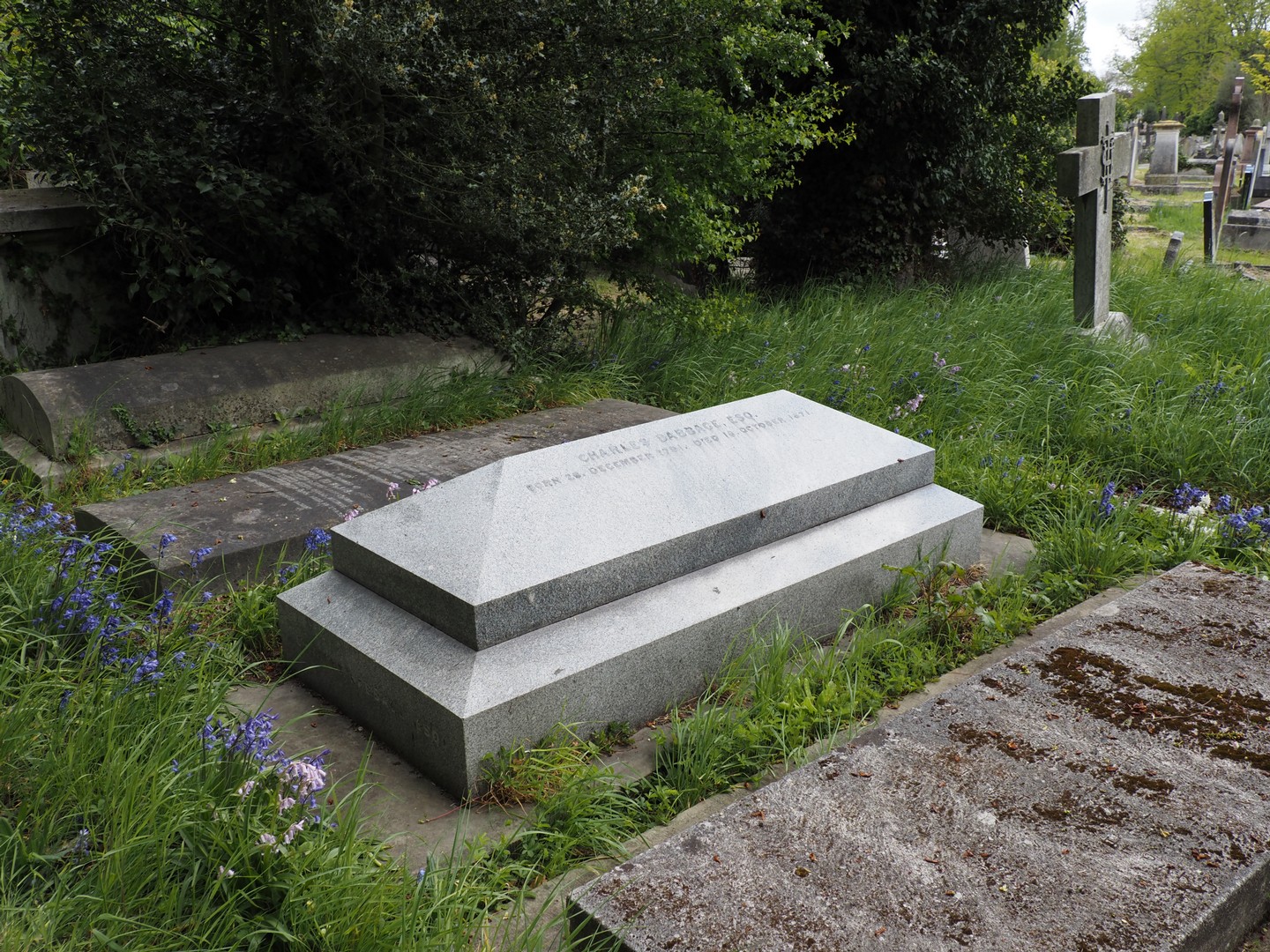
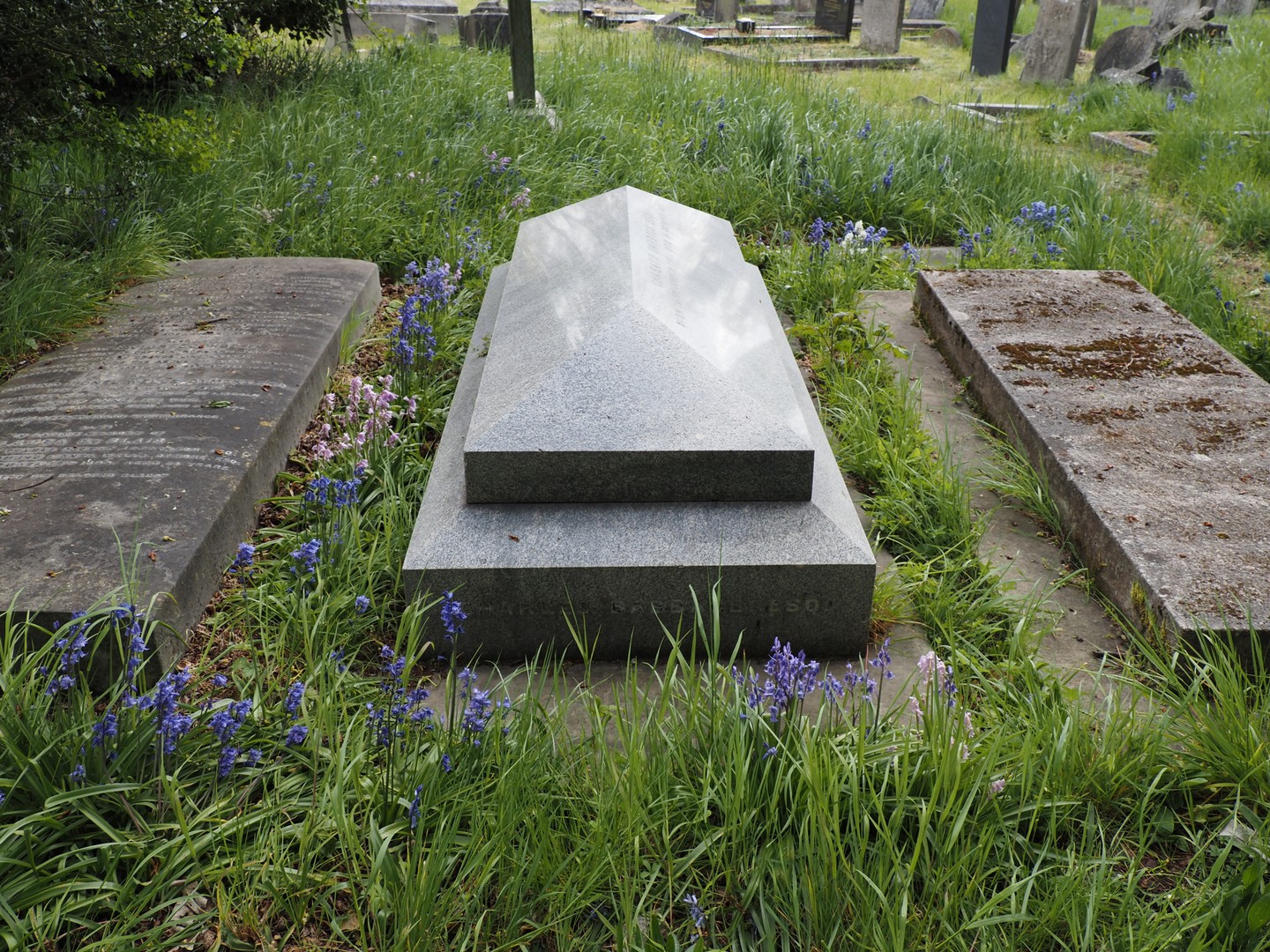
Use arrows (if present) to scroll images then click image to open viewer window. Use window tools to scroll and enlarge. Click outside window or on X to close.
Lucia Elizabeth Abell (Betsy Balcombe)
1802 - 29th June 1871
William Balcombe was an official of the East India Company and merchant and was living with his family on St. Helena when Napoleon was sent there in 1815 after his defeat at Waterloo and subsequent surrender to the British. They lived at "The Briars".
St. Helena was an important intermediate stop for ships from Britain to South Africa and beyond to India. Arthur Wellesley, later The Duke of Wellington, had stayed at "The Briars" for a few days on his return from India in 1805. It appears that William Balcombe, but possibly not his family, was living there then.
Betsy, as Lucia was known, had an older sister, Jane, and three younger brothers. Betsy and Jane were born in England and educated there. The brothers were born on St. Helena. Betsy, unlike most residents of the island, spoke good French. When Napoleon arrived, after initial trepidation, she established a friendly and playful relationship with Napoleon. They played practical jokes on each other and it seems that Napoleon could relax in her company.
The Governor, Sir Hudson Lowe, had an inflexible attitude to the terms of captivity of Napoleon and jealously guarded his position. He became suspicious of the Balcombe's closeness to Napoleon and suspected them (with reason) of aiding Napoleon in secret correspondence with Europe. The Balcombe family left St. Helena in 1818 and never saw Napoleon again. William's ability to earn money was damaged by Lowe's accusations. Money was to be a problem for the family throughout Betsy's life.
Betsy married Edward Abell in 1822 but it was not a success and in 1824 she joined her family as they travelled to Australia where William had been appointed to a post in Sydney. Her sister, Jane, died on the voyage. She returned to England and was reunited with Edward for long enough to have a daughter, Jane Elizabeth Balcombe Abell, in 1827 but the marriage broke up again and Betsy returned to Sydney.
William Balcombe died in 1829 and the family returned to London. In 1832 Betsy met Joseph Bonaparte and other members of Napoleon's family including the future Napoleon III. The family returned to Australia in 1833 but life was too difficult there for Betsy and her mother and they returned to England in 1834. The three brothers stayed and died there.
Back in England Betsy wrote her recollections of her time with Napoleon and it was a significant success, being serialised in a magazine in 1843 and published as a book in 1844, which was reprinted three times. A French edition was published in 1898 (after her death). She was awarded a plot of land in Algeria by Napoleon III "in memory of her comfort to his uncle".
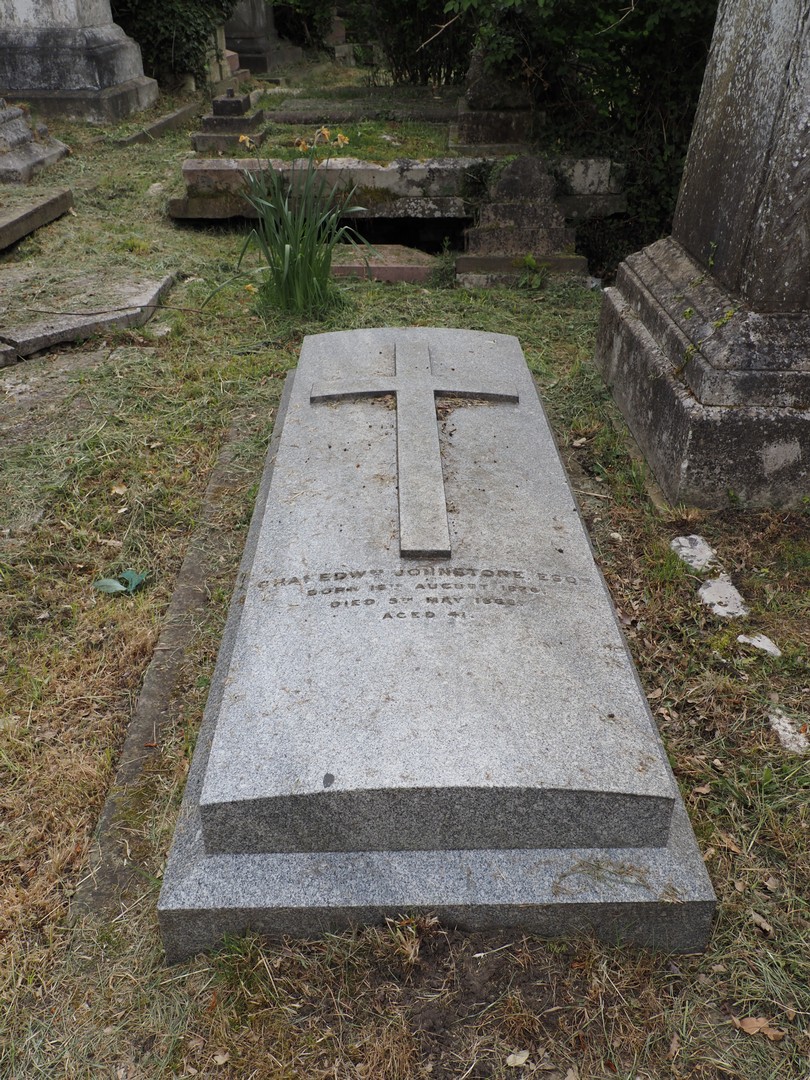
Jane married Charles Edwards Johnstone on 22 November 1848 and Betsy lived with them in Marylebone (1861 census). Charles died in 1868, Betsy on 29th June 1871 and Jane died in 1892.
The information that Betsy is buried in Charles' grave is from the Napoleon 200 project who placed a memorial there for the 200th anniversary of Napoleon's death.
More information:
"Napoleon and Betsy, Recollections of Napoleon on St Helena" by Lucia Elizabeth Abell. (Note: I have taken the details above from the edition by Fonthill Media with an introduction by Alan Sutton, 2012)
Grave of Charles Edwards Johnstone, Son-in-law of Lucia Elizabeth Abell (Betsy Balcombe).
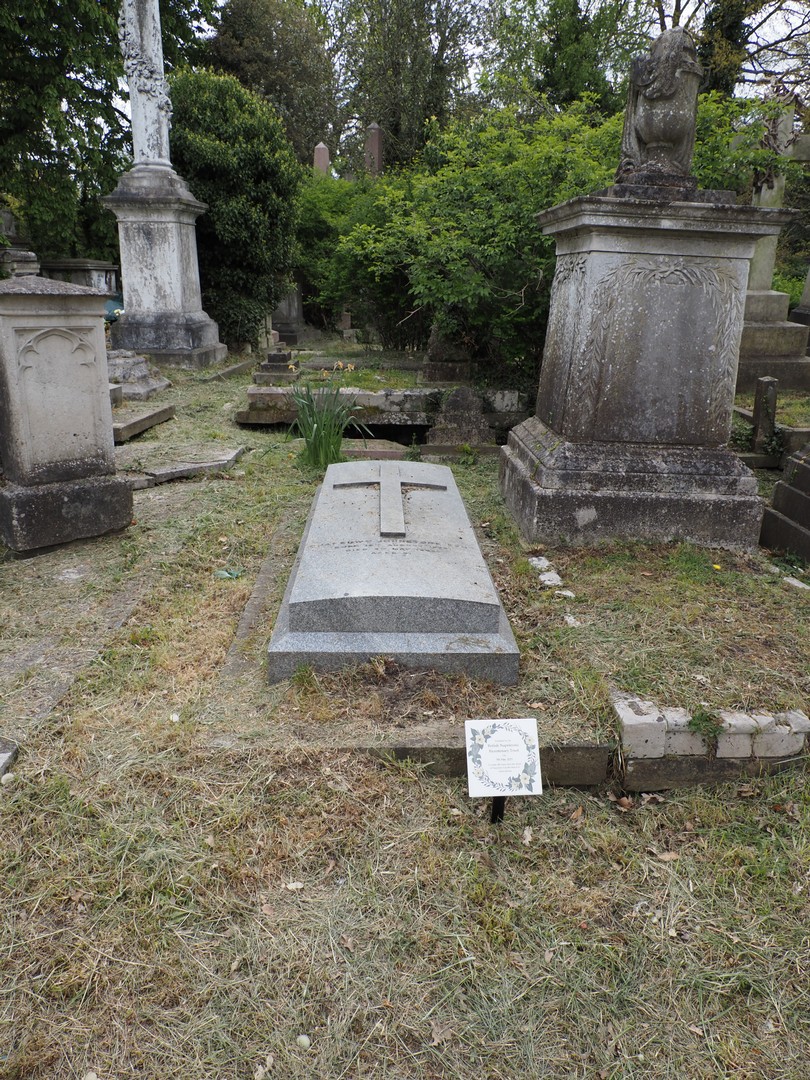
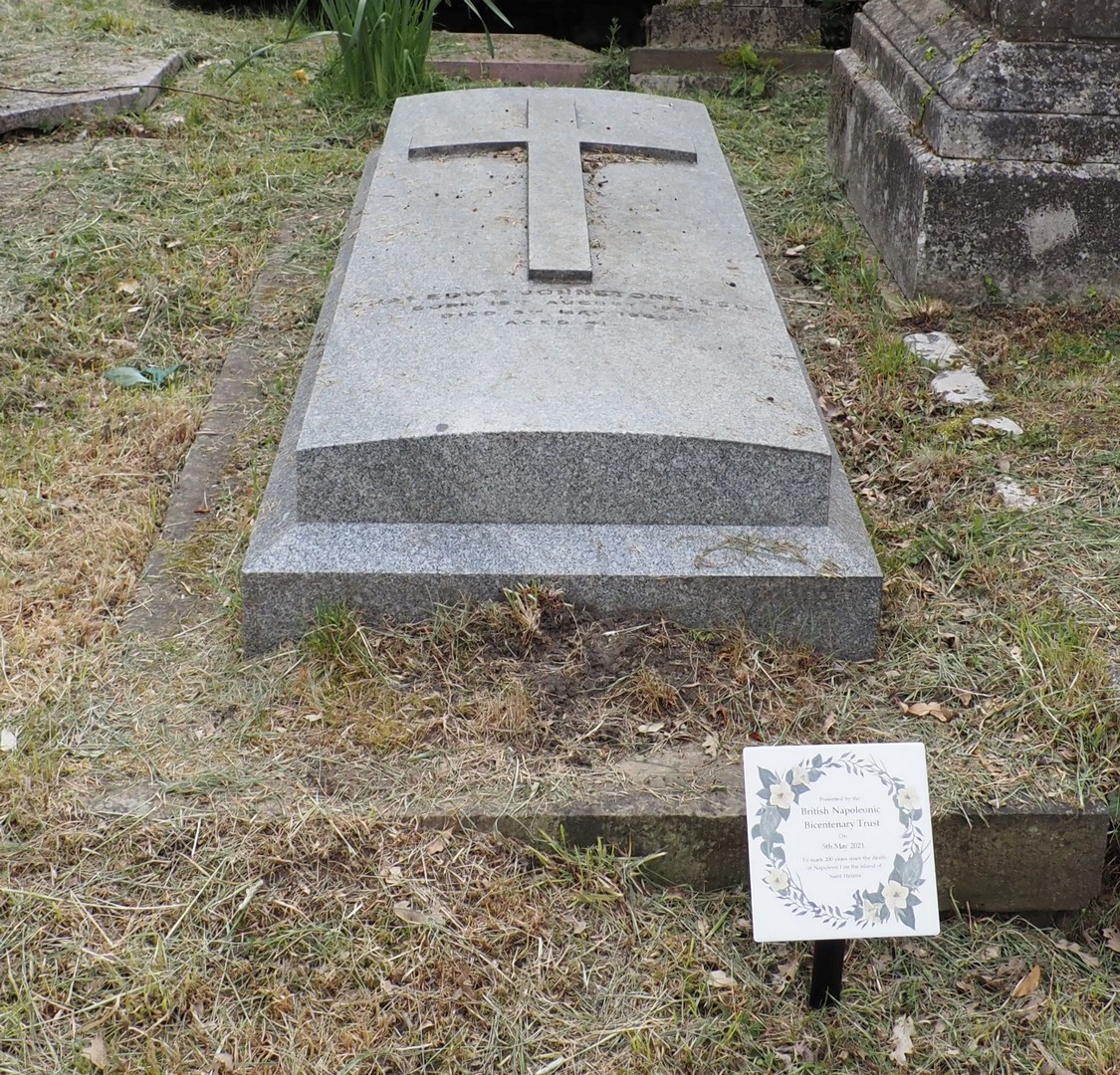
Use arrows (if present) to scroll images then click image to open viewer window. Use window tools to scroll and enlarge. Click outside window or on X to close.
Brunel
9th April 1806 - 15th September 1859
Engineer. Hero. Compulsive over-worker.
More information:
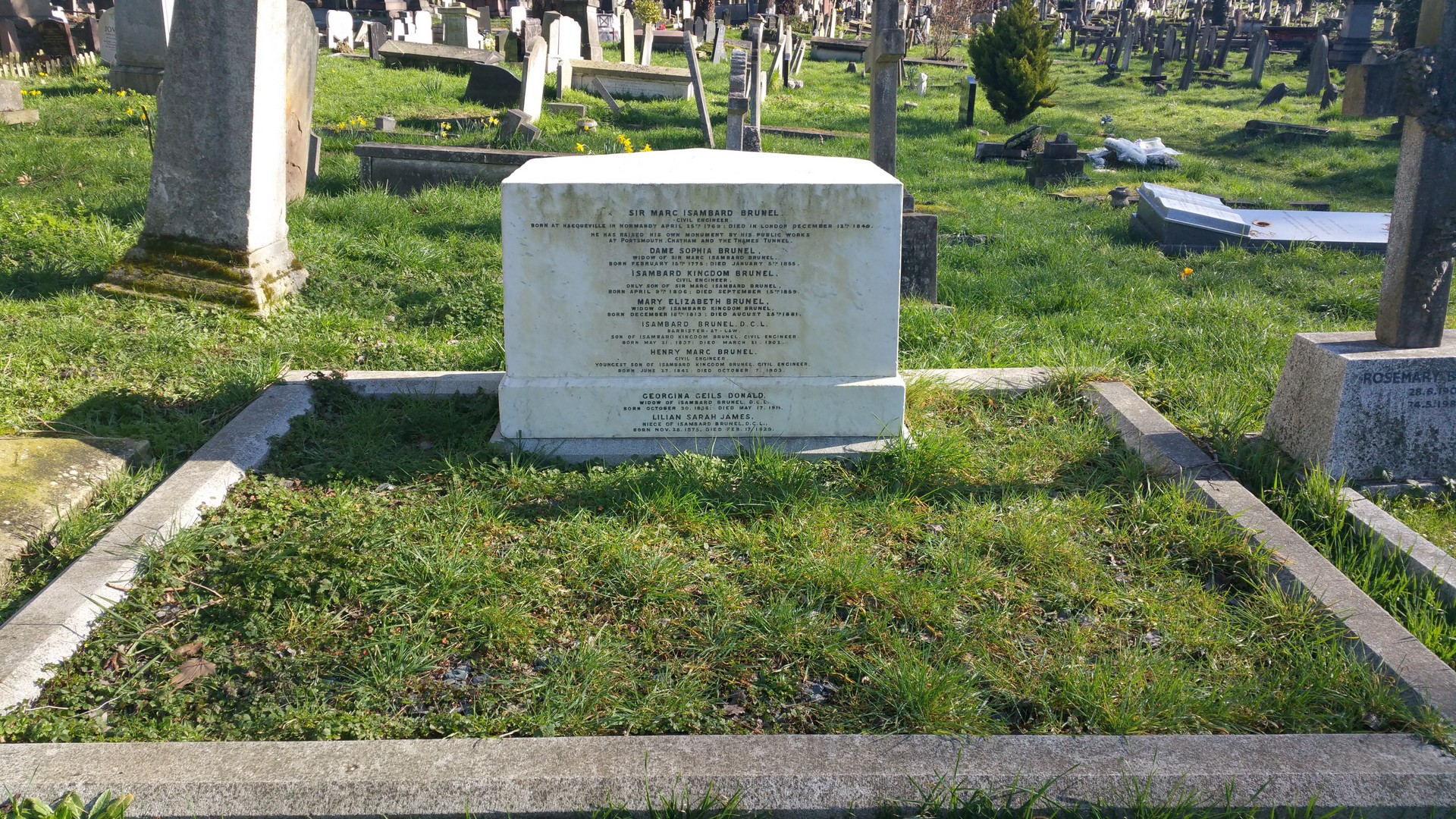
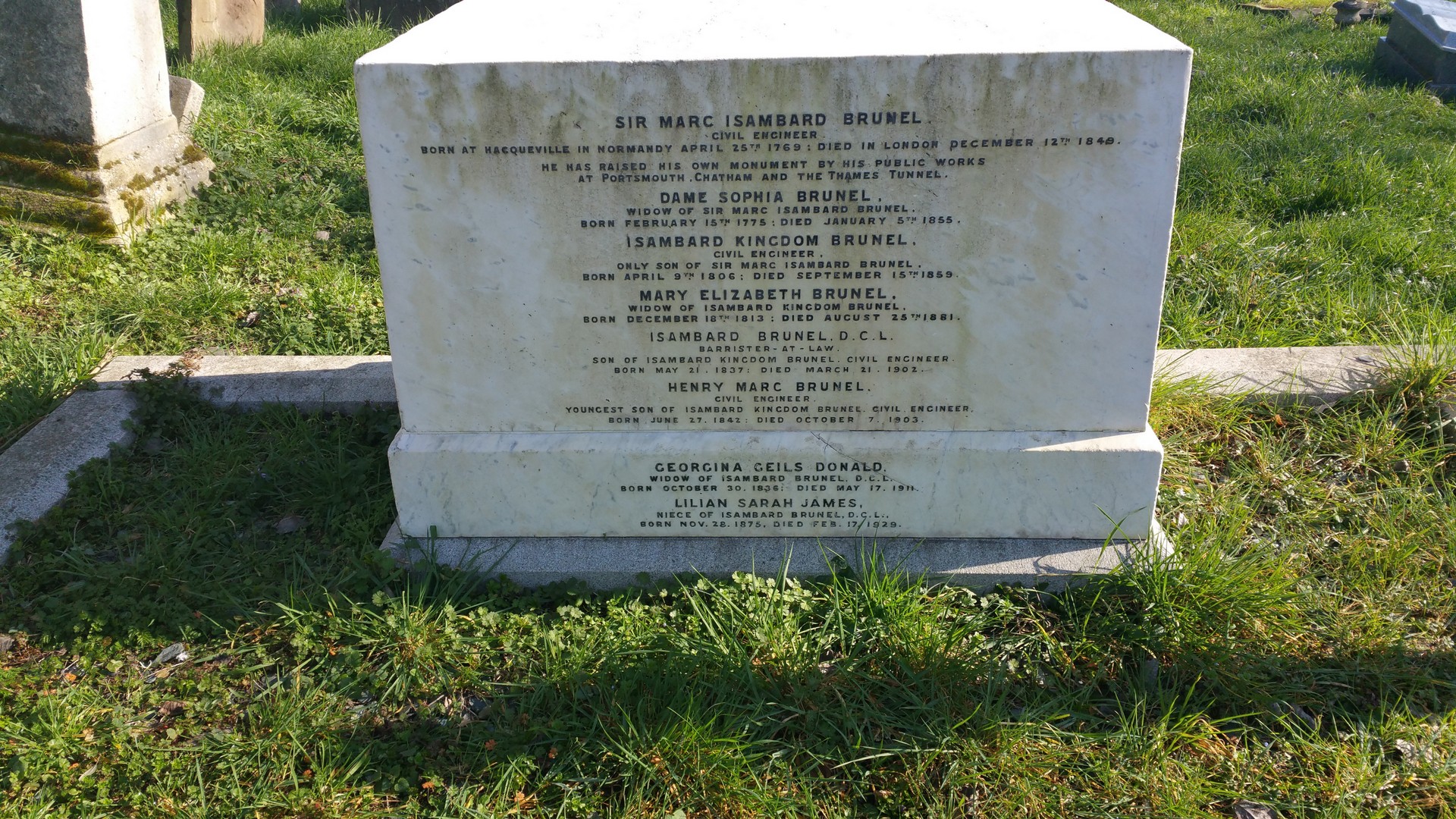
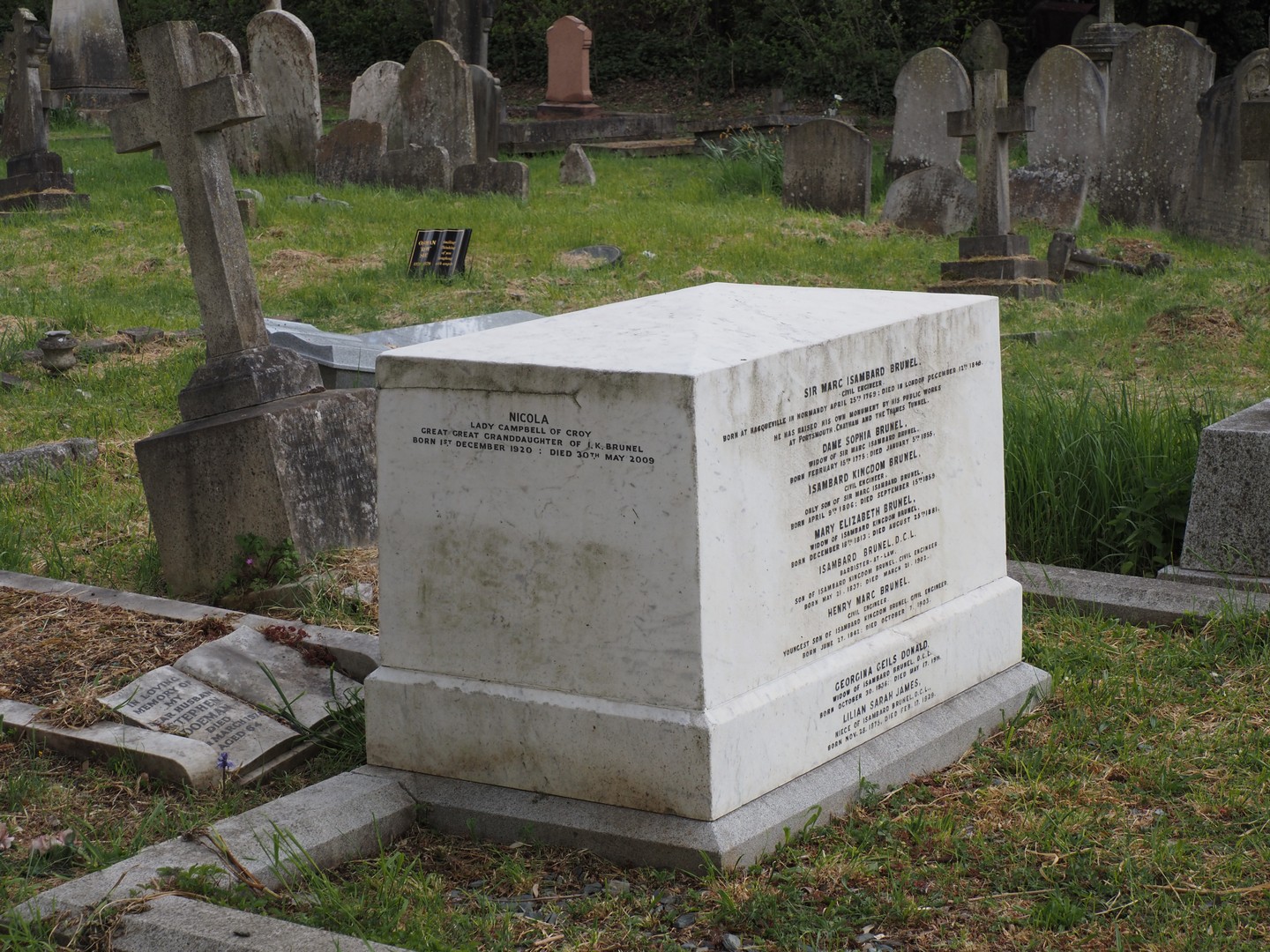
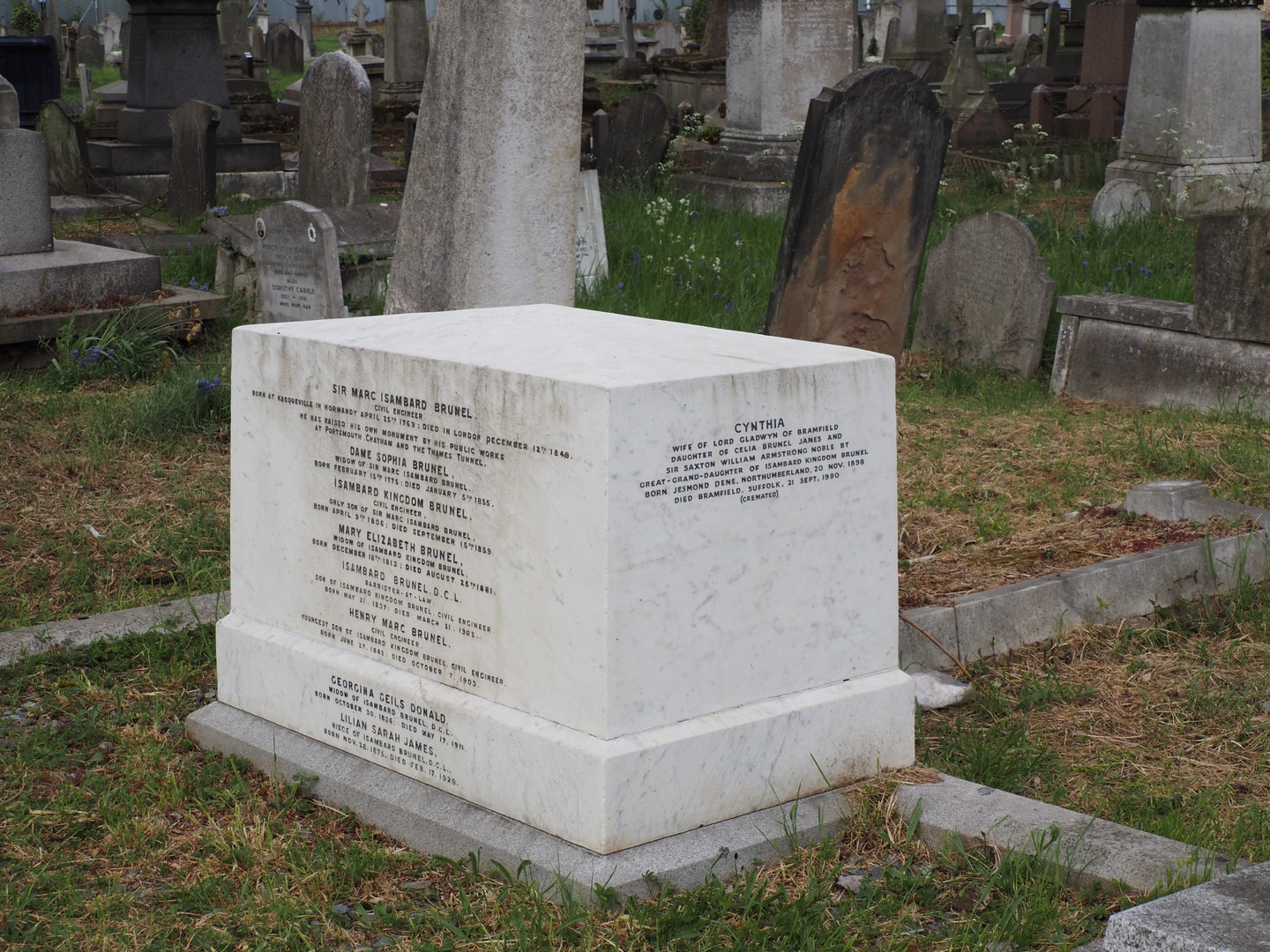
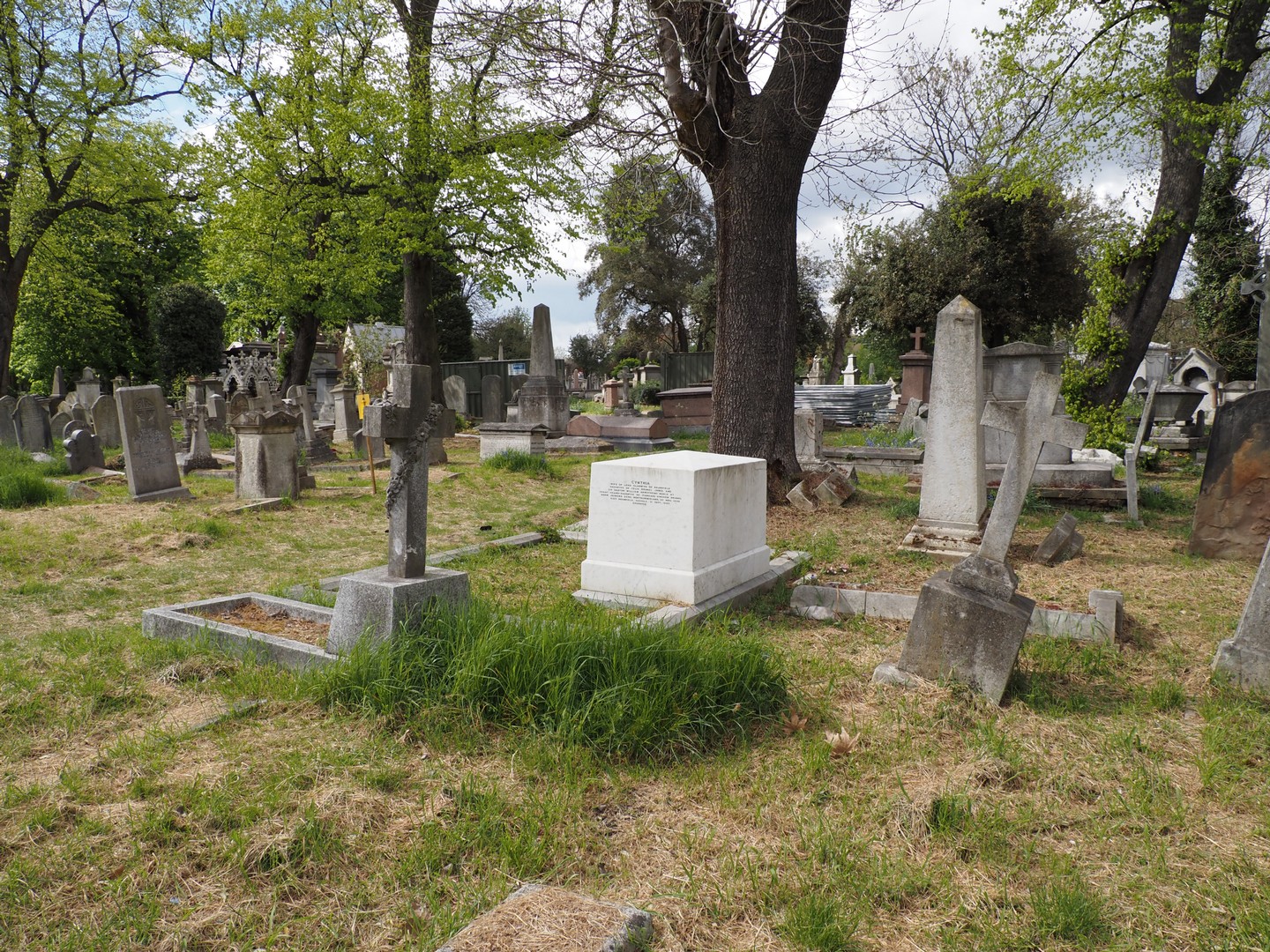
The grave of Sir Marc Brunel, Isambard Kingdom Brunel and several others of the family.
Use arrows (if present) to scroll images then click image to open viewer window. Use window tools to scroll and enlarge. Click outside window or on X to close.
Title
Dates
Summary
More information:
Wikipedia Article